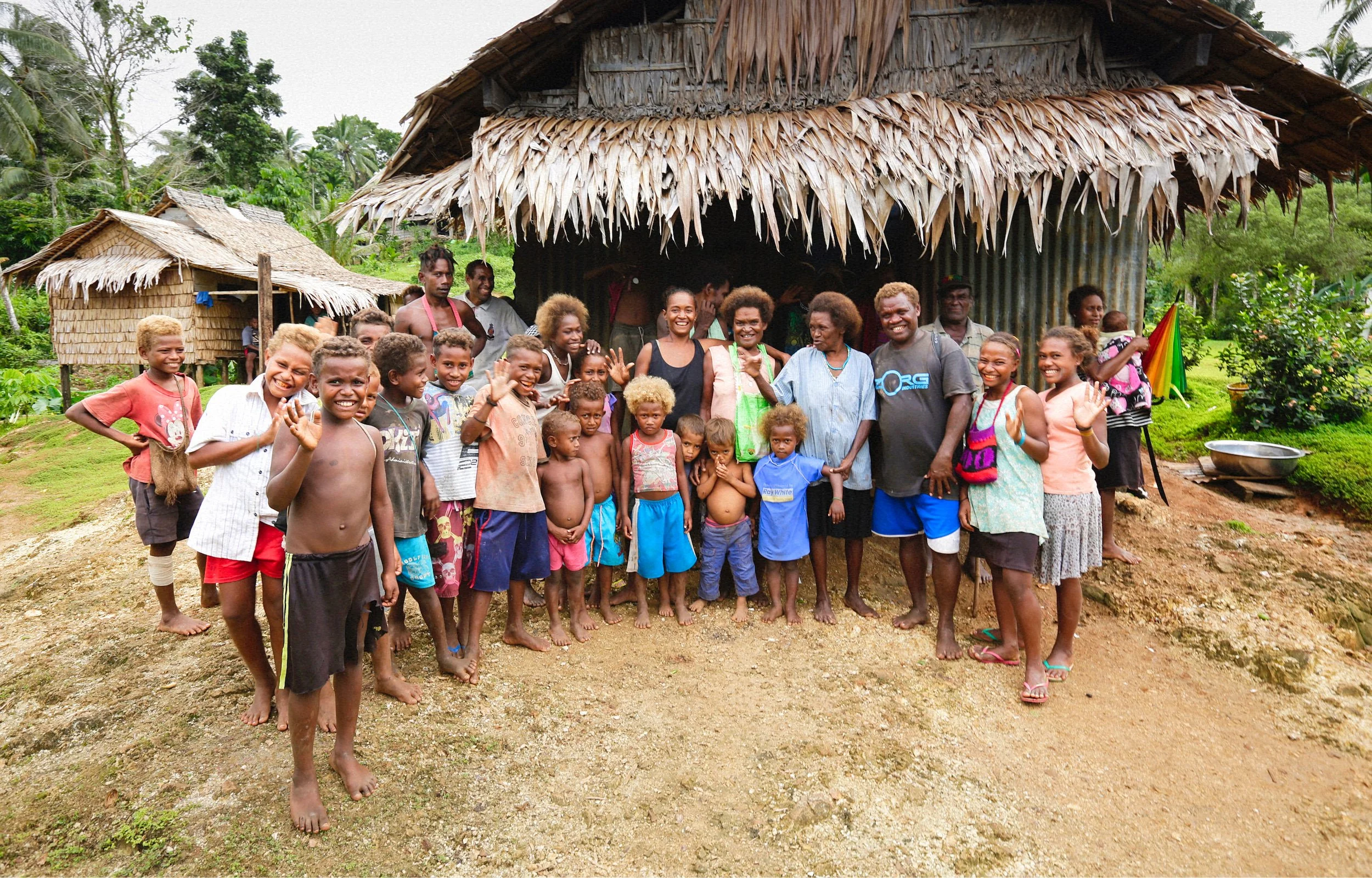
A chance to give back
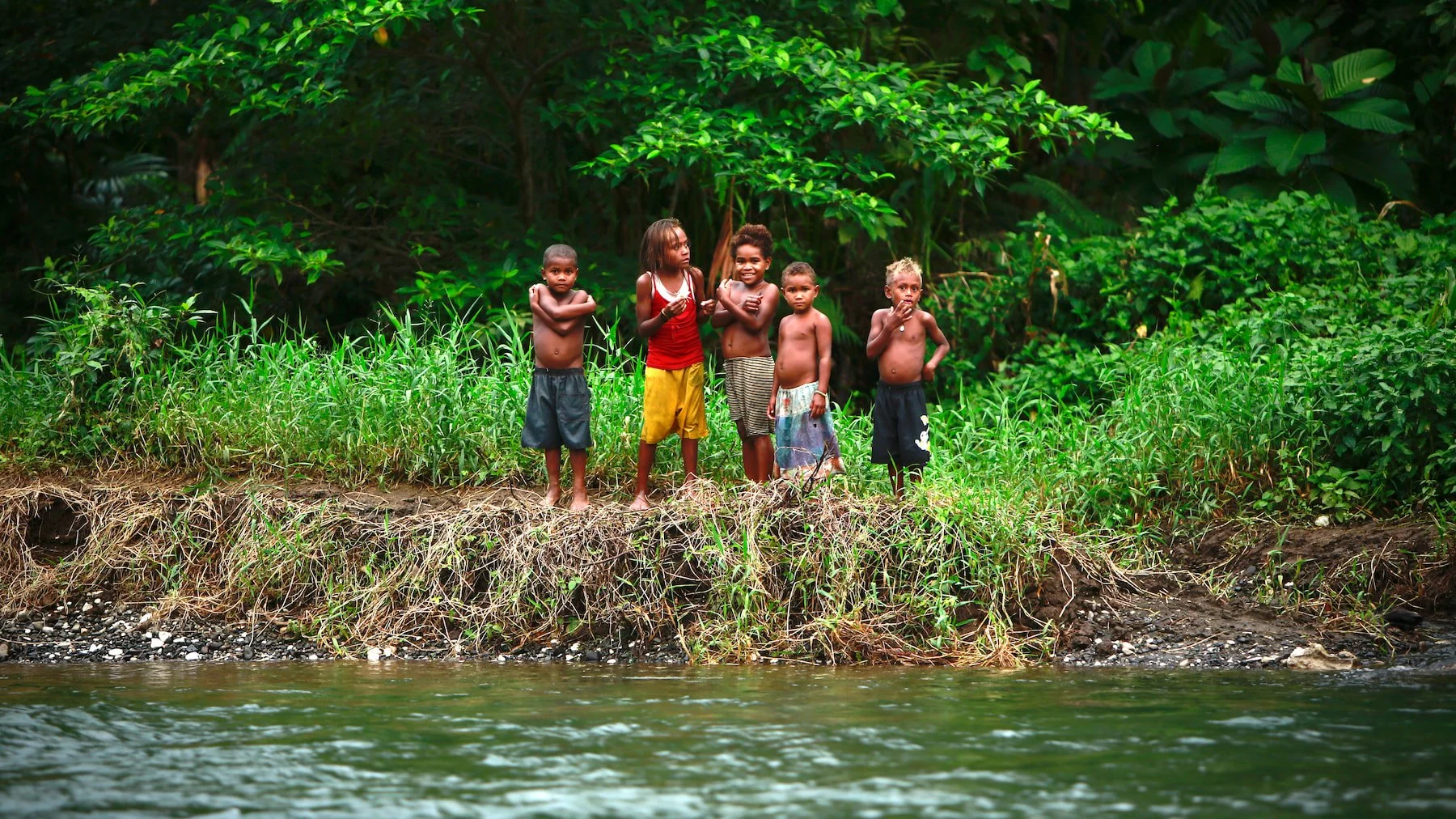
In 1969, an ethnomusicologist recorded a Baegu lullaby sung by a woman named Afunakwa in a remote region of the Solomon Islands.
More than two decades later, that recording was sampled and transformed into a global hit, selling millions of copies and appearing in films, advertisements, and viral videos — while Afunakwa, her family, and her community were largely unacknowledged and did not share in the success that followed.
The Afunakwa Foundation was established to provide a means for artists, creators, labels, and publishers who have benefited from the use of the Rorogwela song to support the people and community from which it originated.
It also provides an opportunity for fans who feel a connection to the song to contribute to the Baegu community, should they feel moved to do so.
Channelling support where it’s needed
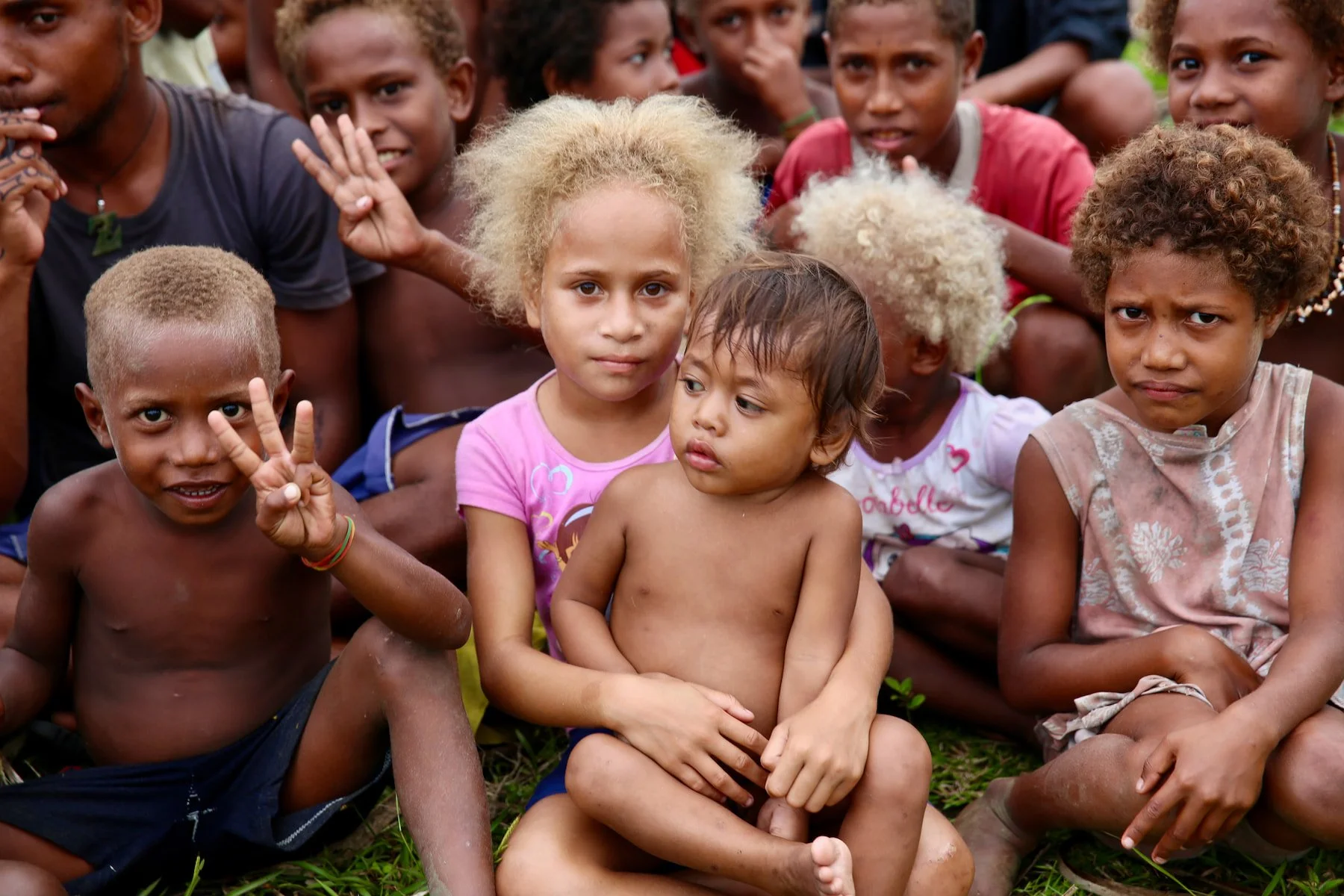
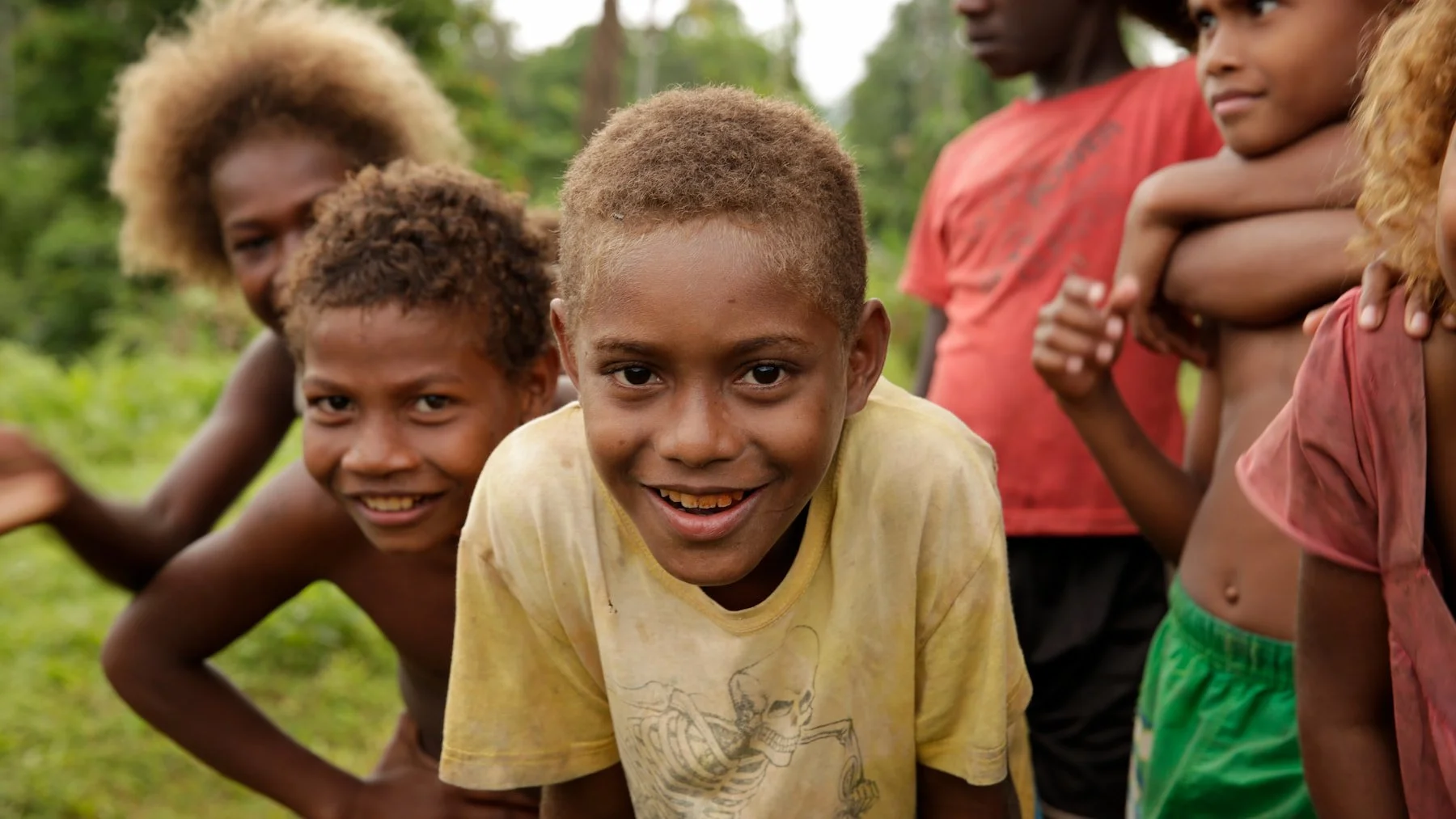
The Baegu region today faces ongoing challenges, including limited access to healthcare, education, and basic infrastructure.
The Afunakwa Foundation seeks to channel any funds it receives into initiatives that support the wellbeing and long-term resilience of the Baegu community. While particular attention is given to children — through support for healthcare, education, and cultural continuity — decisions around how funds are used will be guided in consultation with Afunakwa’s family and local community representatives.
Supporting children has a particular resonance in this context, reflecting the story carried within the Rorogwela song itself, which tells of two orphans in distress (see About the Song for a translation). At the same time, the Foundation recognises that the most meaningful use of resources may extend beyond children alone, and into broader community needs.
Early funding priorities may include children’s clothing, medical supplies, malaria nets, and text books for the schools. Over time, support may also be directed toward clean water and sanitation projects, locally based healthcare services, and programs that strengthen access to education, particularly for girls.
Who we are
The trustees of the foundation are made up of descendants of Afunakwa — who sang the Rorogwela recording — and Saverio Talifilu, the Headman of East Baegu who oversaw the original recording in 1969.
To learn more about the people involved, visit Our Team.
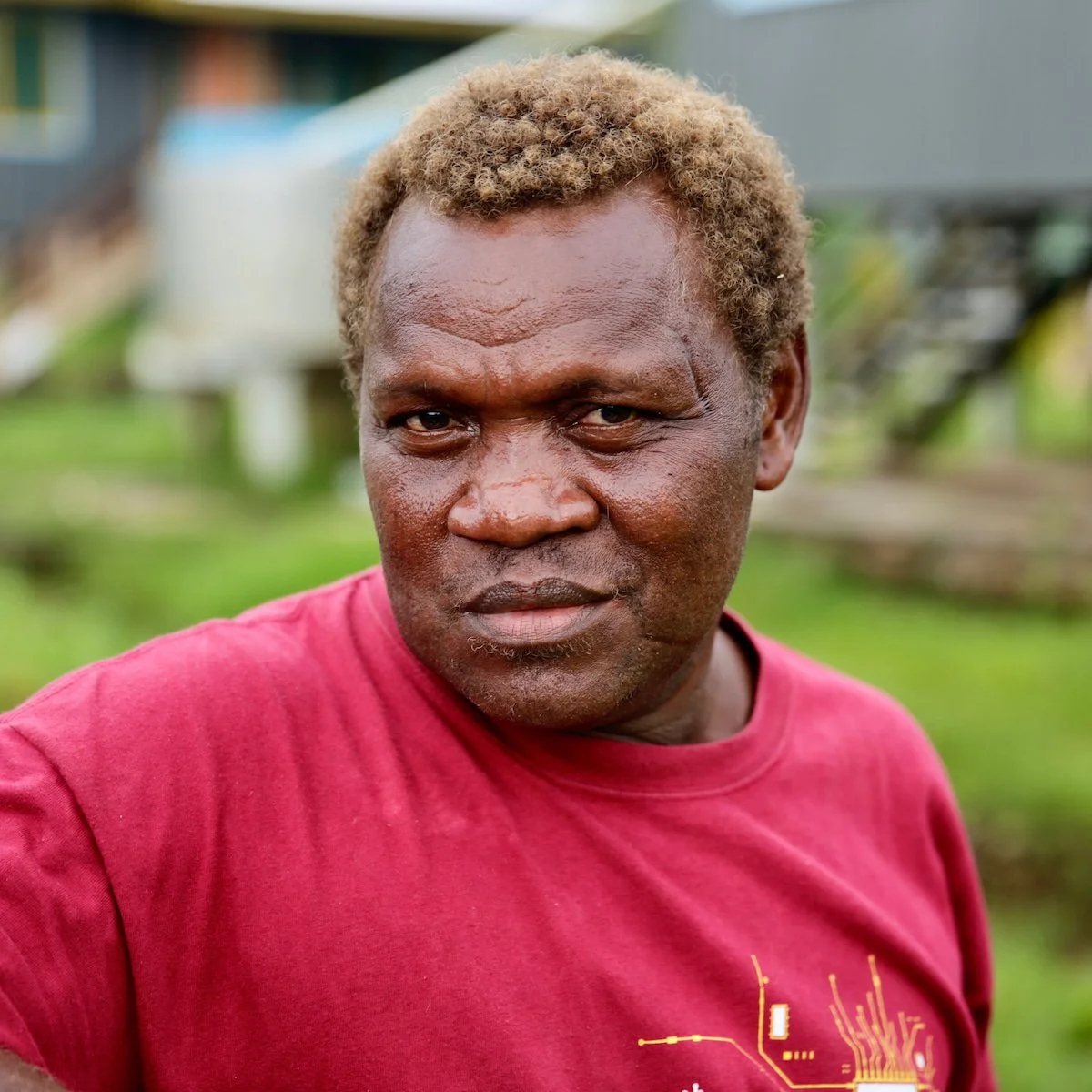
Clement Iata, grandson of Afunakwa
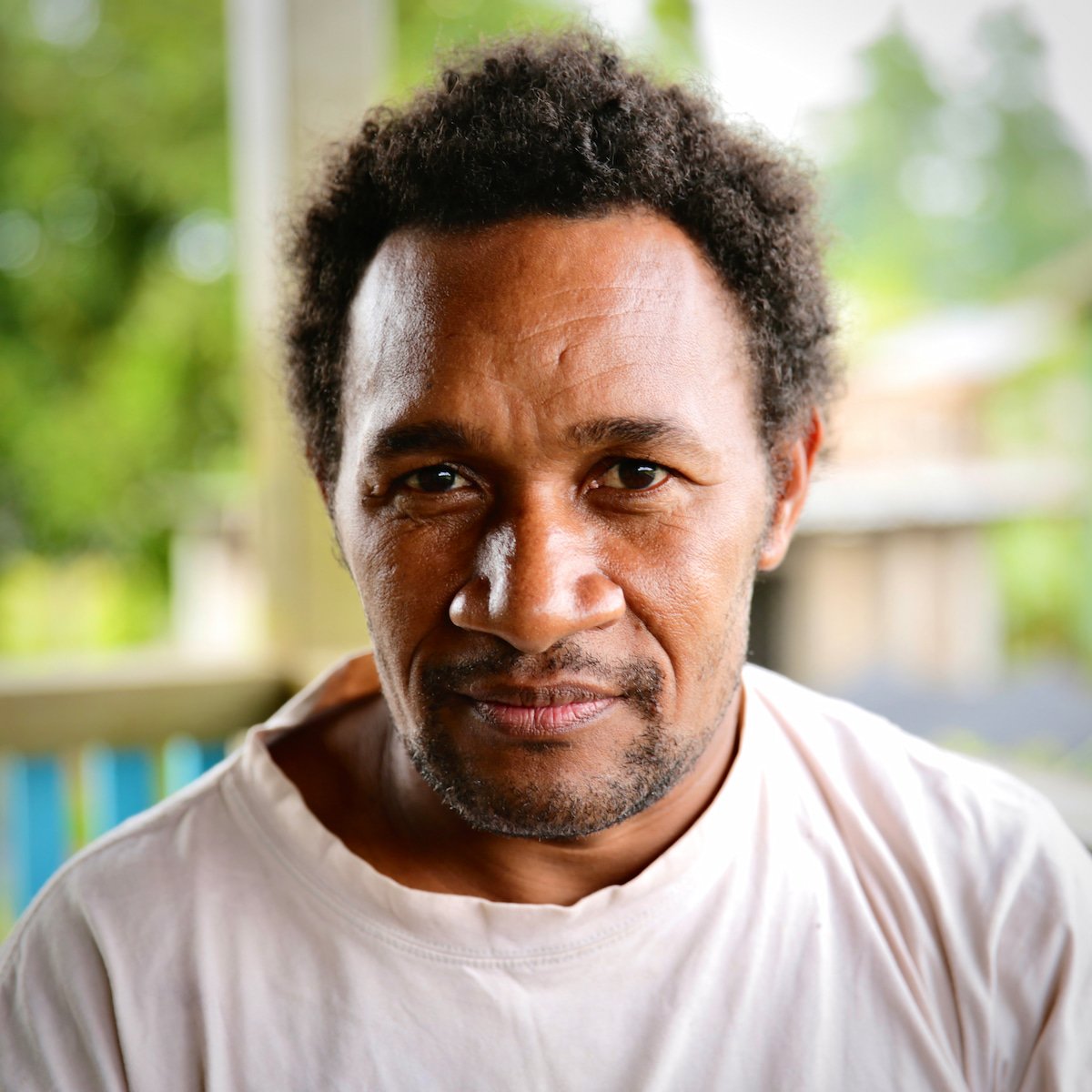
Tony Kwaomae, grandson of Afunakwa
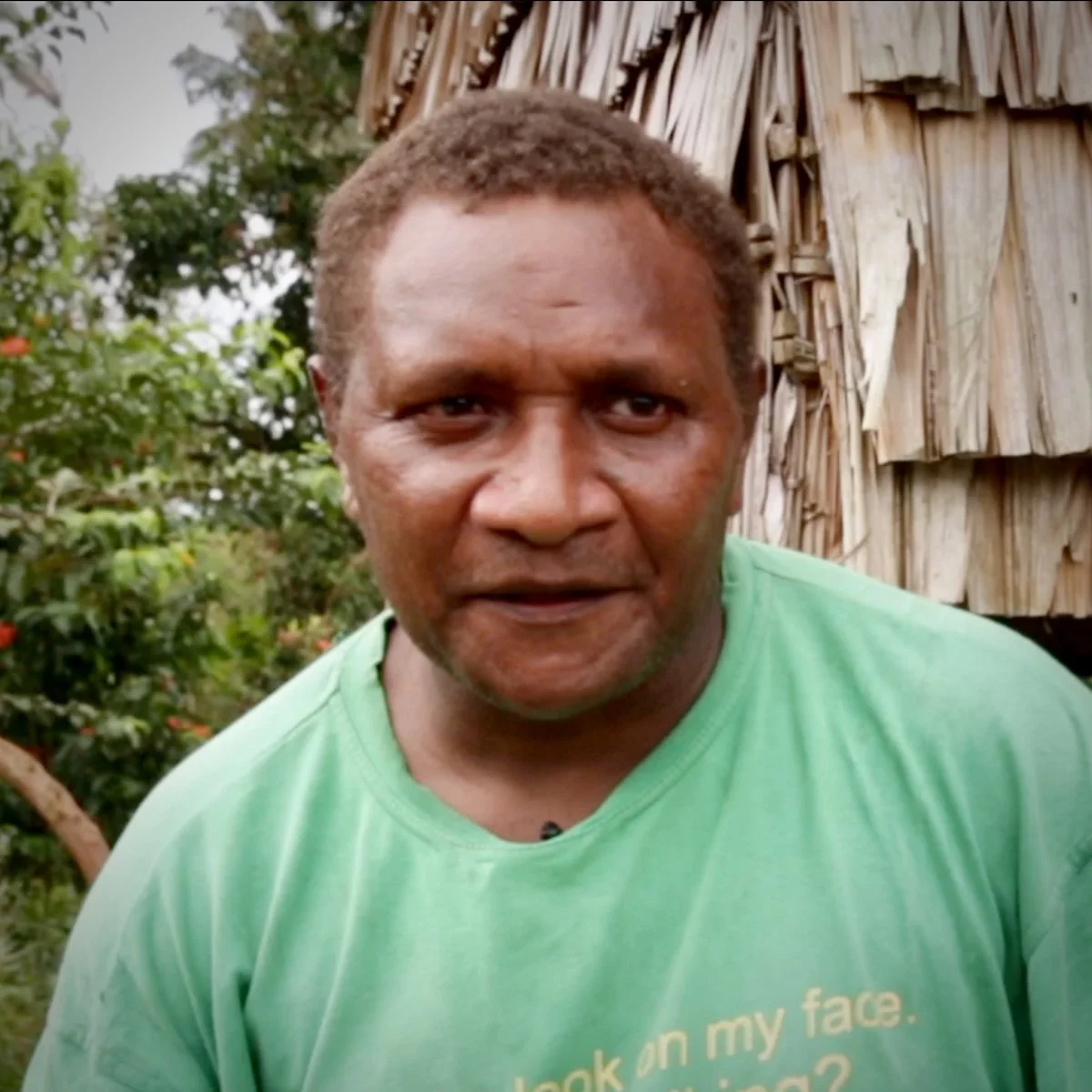
Claudius Iluga, grandson of Afunakwa
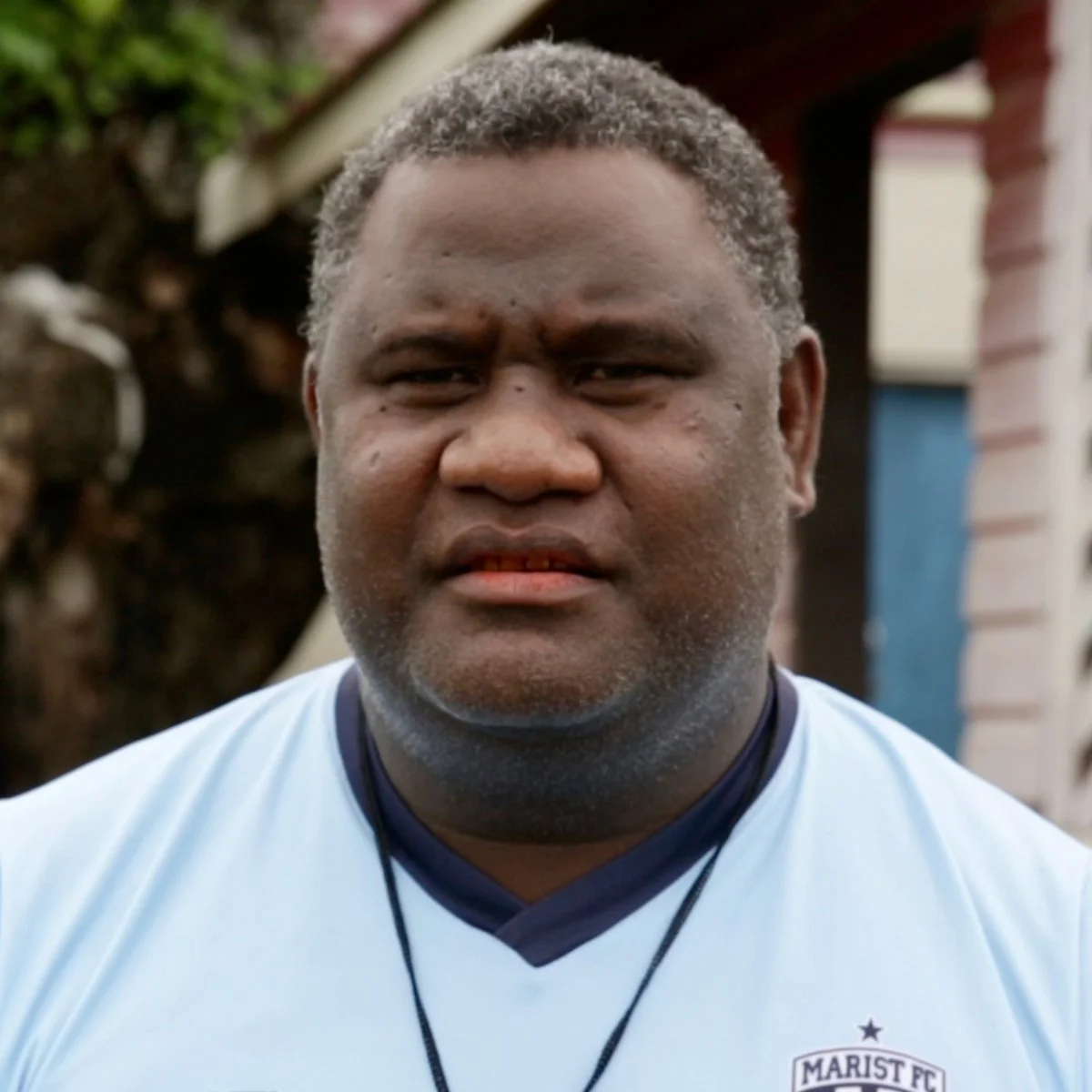
Celsus Talifilu, son of Saverio Talifilu
Our guiding principles
In the past, practical barriers — remoteness, limited communication, and uncertainty about who to trust — made it difficult for people outside the Baegu community to offer meaningful support.
The Afunakwa Foundation exists to help remove those barriers and make it possible for support to be offered in a trusted and responsible way.
In response to these challenges, the foundation is guided by the following principles:
Integrity — acting with honesty and care
Accountability — being answerable for how resources are used
Transparency — communicating openly about decisions and outcomes
Equity — distributing resources fairly across family and community